The best CEOs don’t avoid stress. They know how to use it. Here’s how to stay sharp (as June 30 looms) without sacrificing performance or burning out.
We often talk about stress like it’s the enemy, something to be avoided or eliminated. But not all stress is bad. In fact, without some stress, CEOs would never make bold decisions, navigate uncertainty, or lead organisations through change. The real challenge is knowing when productive pressure becomes overwhelm, and when overwhelm quietly slides into burnout.
The Science of Stress
Psychologists across clinical, organisational and sport settings call positive stress “eustress.” It’s the kind that energises and motivates us to grow, focus, and perform. Eustress gives short bursts of adrenaline and cortisol, sharpening attention and helping us rise to mental and physical challenges.
Research shows that moderate, short-term stress can:
- Boost focus and memory (Du et al., 2025; Hermans et al., 2022; Schwabe & Wolf, 2022)
- Build resilience when followed by recovery (Degering et al., 2023; Maunder et al., 2023; Russo & Nestler, 2023)
- Enhance meaning and engagement (Chen & Nakagawa, 2023; Zhang, Sun, & Li, 2023; Yildirim & Solmaz, 2024)
The key is that stress needs to be short-term and followed by recovery. Without recovery, the chemistry that once sharpened your thinking begins to erode the very judgment, clarity and resilience your organisation depends on.
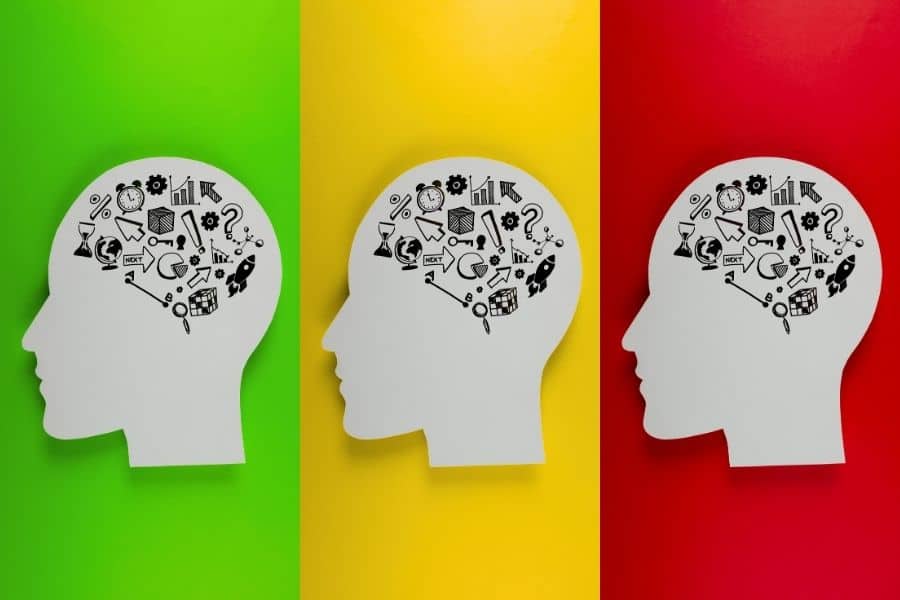
The Three Stress Zones
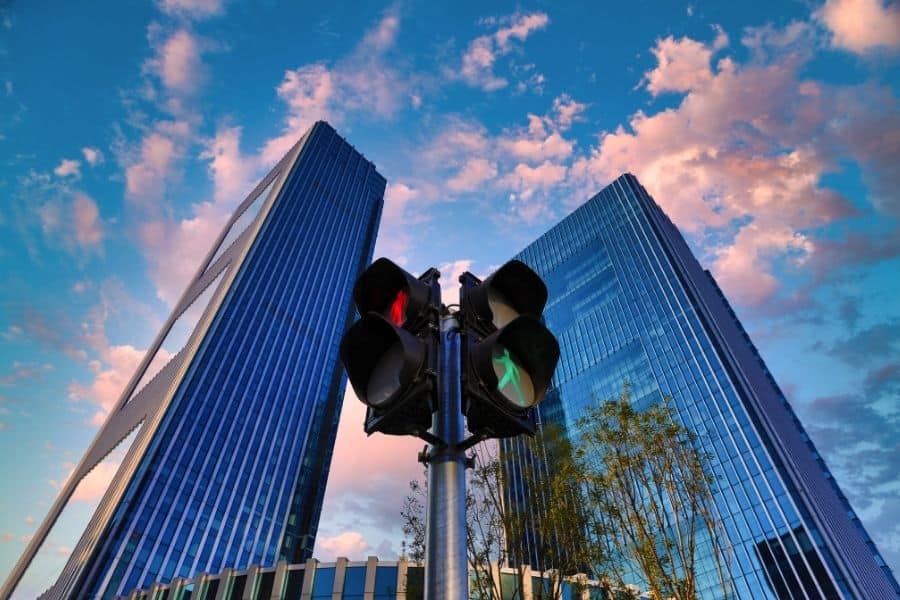
Think of stress like a traffic light. Green keeps you moving forward, amber warns you to slow down, and red means stop before something breaks.
🟢 Green Light: Healthy Stress (Eustress)
You’re in the sweet spot. You feel energised, alert and motivated. Complex decisions feel stretching but manageable.
Signs you’re in the green:
- You feel focused and productive.
- You can switch off and recover after work.
- Sleep and concentration are steady.
- You remain connected to your purpose and long-term vision.
This is where sustainable executive performance thrives. Stress hormones spike briefly, then settle. You’re using energy efficiently rather than constantly draining it.
Tip: Stay here by balancing intensity with recovery. Build deliberate pauses between board meetings, major decisions and high-stakes conversations. Keep up physical activity and connecting with people outside work. Try mindful eating twice a week by having lunch without a screen. It not only slows digestion but also quietens the mind, reduces reactive eating, and helps prevent the afternoon energy slump.
🟡 Amber Light: Overwhelm (Distress)
This is the warning zone. You’re still delivering results, but the edges are beginning to fray. Cortisol stays elevated, and your executive thinking starts to fatigue.
Signs you’ve hit amber:
- You’re more impatient or reactive.
- Strategic thinking becomes harder.
- Sleep becomes patchy. You’re “tired but wired.”
- You rely on caffeine, alcohol or screens to cope.
- Recovery takes longer than it used to.
You can still perform here, but not for long. Left unchecked, your decision-making narrows, your emotional bandwidth shrinks, and your ability to lead others begins to suffer.
Tip: Don’t let amber become your normal. Prioritise good sleep hygiene by avoiding devices, sugar and alcohol one hour before bed. Return to daily movement, even if it’s simply walking between meetings. Create 10 to 15 minutes of “no input” time each day by listening to a funny podcast (no business or self-development ones) taking a bath, journalling, reading fiction or using a mindfulness app.
🔴 Red Light: Burnout Risk
Now you’re running on empty. Your body and mind are trying to protect you by shutting down motivation, energy and cognitive capacity.
Signs you’re in the red:
- Persistent exhaustion, even after rest.
- Feeling detached, cynical or ineffective.
- Physical issues such as headaches, gut problems and poor sleep.
- Loss of meaning or motivation, along with increasingly negative self-talk.
This is when the brain’s prefrontal cortex, responsible for strategic thinking, emotional regulation and empathy, starts to go offline while the emotional brain remains on high alert.
In 2025, 43% of the Australian workforce reported burnout, with people in leadership roles sitting around 58%. The World Health Organisation defines burnout as “chronic workplace stress that has not been successfully managed.” For CEOs, burnout doesn’t just affect personal wellbeing. It influences organisational culture, executive decision-making, employee confidence, and business performance. The good news is that you have the agency to change course.
Tip: Don’t try to push through it. Start with what you can control: your body. Prioritise sleep and nutrition first. Even one good night’s sleep can significantly improve cognitive performance. Replace one unhelpful habit with a healthier one. Wine o’clock becomes walk o’clock. It helped me stop drinking altogether. Most importantly, speak to someone. Burnout can be incredibly isolating, particularly at the CEO level, yet many executives experience it during their careers.
How to Get Back to Green
You can’t eliminate stress, but you can manage it intelligently.
Interrupt the loop. Your body doesn’t know the difference between danger and deadlines. Slow breathing, walking or simply changing posture signals to your nervous system that you’re safe. Understand the business benefits to practicing Mindfulness. While it’s not a quick fix, many people report clearer thinking and better sleep after eight weeks of daily practice. The science consistently shows it reduces stress. More info HERE.
Reconnect with meaning. Burnout thrives in disconnection. Reconnect with why you lead and the impact you want your organisation to have. CEOs who lead with a clear sense of purpose are better equipped to sustain both personal performance and organisational resilience (McKinsey Health Institute, 2023). If the purpose feels unclear, revisit it before your calendar defines it for you. If you are struggling with your sense of purpose, read this article.
Seek support early. Working with an executive coach, psychologist, or trusted adviser isn’t a sign of weakness. It’s a leadership strategy. In my experience, and through years of analysing 360-degree feedback data, your executive team often notices your struggle before you do. When CEOs model healthy leadership, permission flows throughout the organisation.
The Goal Isn’t Less Stress. It’s Smarter Stress.
You can’t avoid the waves, but you can learn when to surf them and when to come back to shore.
The best CEOs don’t chase balance. They build sustainable performance through awareness, recovery and intentional leadership.
Sustainable organisations are not built on leaders who operate under constant pressure. They are built on CEOs who understand the difference between productive challenge and the slow drift into burnout.
The question isn’t whether burnout exists in your organisation.
The question is whether you’re recognising it early enough to protect your judgment, your executive team, your culture, and your organisation’s long-term performance.
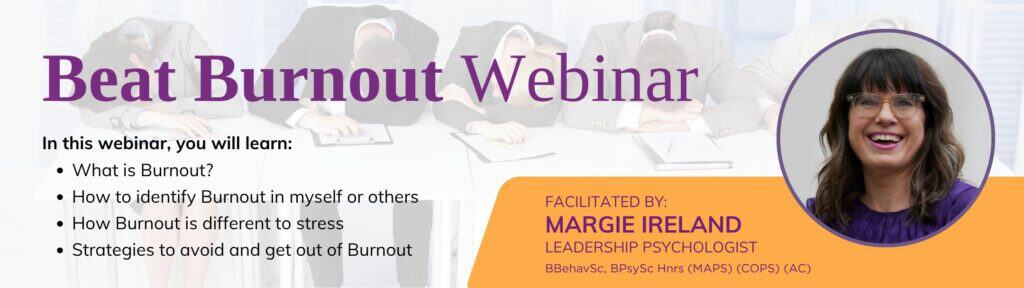
If this article resonated with you, Margie Ireland’s Beat Burnout webinar offers practical, evidence-based strategies to help CEOs and executive teams identify burnout early, respond proactively, and build healthier ways of working that support both wellbeing and business results.