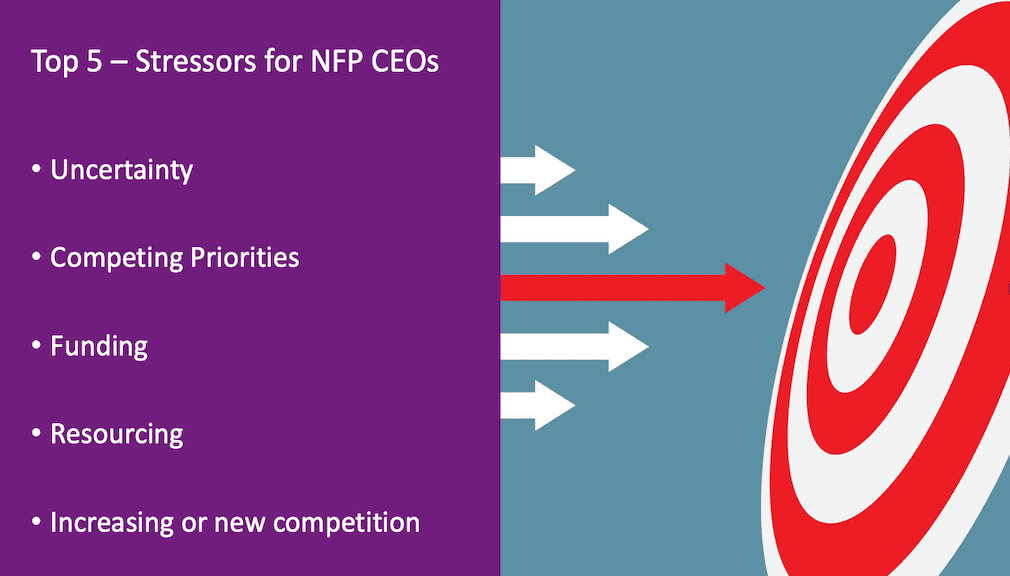
Leading a NFP organisation in Australia right now is not for the faint-hearted. With compliance demands tightening, workforce shortages deepening, and the state and federal scene in a state of constant flux, CEOs are under pressure to deliver more – faster, cleaner, and often with less.
And while you’re doing your best to steady the ship, what’s quietly derailing momentum isn’t just the external chaos. It’s the one or two problem leaders inside your organisation who are holding things back.
The Real Cost of a Leadership Bottleneck
Every CEO I work with knows who the issue is. You can see it in the engagement scores, the staff turnover in one part of the org chart, the feedback you’re not getting in town halls anymore.
But addressing it? That’s trickier.
You don’t want to micromanage. You don’t want to escalate unnecessarily. And deep down, you’re wondering – is it them… or is the system we’ve created that’s letting them down?
This hesitation is understandable. But left unchecked, a leadership bottleneck can quietly cost you millions – through lost talent, disengaged teams, risk exposure, and missed funding opportunities.
Why Strong CEOs Act Sooner
Here’s the truth: You don’t have time to waste on problem leaders who drain your energy and dilute your culture.
The strongest CEOs I support don’t get stuck in loops of doubt or dread. They follow a clear three-step process I call the Fix or Exit Blueprint:
1. Identify the Core Issue – Is this a capability issue? A values clash? Or a symptom of a deeper system problem? With the right tools, you can get clarity quickly and confidently.
2. Understand What’s Really Going On – Not just what the person says in 1:1s, but how they are experienced by peers, their team, and stakeholders. This stage uncovers blind spots—both theirs and yours.
3. Build a Plan – Whether They Grow or Go – Sometimes, great leaders just need better feedback and tighter structure. Other times, it’s time to call it. Either way, you win when you decide rather than drift.
Common Pain Points I See (And How to Overcome Them)
• “We’re constantly in reactive mode.”
Strategy: Shift from firefighting to forecasting. Block out non-negotiable CEO time weekly to work on the business, not in it – ideally with a strategic partner who keeps you honest.
“I don’t have time to deal with underperformers.”
Strategy: You don’t need long coaching sessions. A 30-minute ‘diagnostic’ with a leadership psychologist can uncover more than weeks of meetings. Use targeted support, not blanket training.
“My board wants change, but I’m stuck between pressure and people.”
Strategy: Position yourself as both empathetic and decisive. Show the board your structured process for managing leadership risk – and your commitment to keeping culture high and aligned.
“We keep losing good staff to other providers.”
Strategy: Staff leave managers, not organisations. Invest in lifting your leaders’ relational intelligence. And where you can’t lift, shift. Your brand and retention depend on it.
Make Yourself the Hero of the Story
The reality is, your organisation reflects your leadership more than your strategic plan. The good news? That gives you the power to change the narrative.
When you act early and strategically on your problem leaders, you don’t just fix performance – you reclaim trust, momentum, and headspace.
You become the CEO who:
• Navigates complex reforms with a calm centre
• Keeps great people and lifts the average
• Leads a culture that speaks for itself
And that CEO? That’s the one your board backs. That’s the one staff stay for. That’s the one who sleeps at night knowing the right people are on the bus – and the wrong ones are off it.
Your Next Move
If you’re dealing with a leader who’s underperforming, stalling change, or creating noise behind the scenes, you’re not alone.
But you are in control of what happens next.
Start with a quick, confidential assessment. You’ll get clarity fast – and a plan that
puts you back in charge.
Because when you lead with courage and a clear framework, you win. And so does everyone who relies on your service.
Margie has a particular interest in helping organisations, mitigate and avoid leadership burnout.
Margie Ireland is one of the few Leadership Coaches who is also a registered Psychologist, who has proven to help CEOs, MDs, and HR Executives uncover and identify hidden weaknesses, and the necessary changes and their implementation to steer clear of potential risks and achieve better results. Margie works with medium-sized organisations and large corporates across diverse industries. For more information go to www.margieireland.com