You’re not a CEO but the pressure you carry isn’t small either. As a senior leader, you sit in one of the most demanding positions in any organisation. You’re accountable upward, responsible downward, and expected to hold it all together in between. The psychological load is real, and it rarely gets talked about.
What Nobody Tells You About Leading
The higher you rise, the more your relationships shift. People start filtering what they tell you. Candid feedback becomes harder to come by. And the self-doubt that many leaders feel, that quiet voice wondering if you’re really cut out for this, doesn’t disappear with a promotion. If anything, it gets louder.
This is normal. It’s not a sign you’re in the wrong role. It’s a sign you care about doing it well.
What Actually Helps
Build a small circle you can be honest with. You don’t need a large network, you need a trusted few. Identify two or three people, inside or outside your organisation, who will give you straight feedback and challenge your thinking without an agenda. A mentor, a peer you respect, or a coach. People who will tell you what you need to hear, not just what you want to hear.
If that circle doesn’t exist yet, building it is one of the highest-return investments you can make in your leadership right now.
Stay curious, especially when you think you already know. The leaders who stagnate are rarely the ones who lack talent. They’re the ones who stopped asking questions. Make it a habit to regularly check in with the people you lead, not just about results, but about their experience. Walk the floor. Have informal conversations. Ask what’s getting in the way.
Do this consistently and two things happen: you make better decisions because you have better information, and your team feels seen, which is one of the strongest drivers of retention and performance.
Protect your energy like it’s a business resource, because it is. Your capacity to lead well is directly tied to how well you’re looking after yourself. Sleep, movement, and genuine rest aren’t luxuries, they’re inputs. When you run on empty, your decision-making suffers, your patience shortens, and your presence diminishes.
Set a boundary this week and hold it. Leave at a reasonable time. Take your lunch break. Say no to one thing that isn’t yours to carry. And notice what happens when you do, not just for you, but for the people watching how you lead. Great leaders develop a healthy, proactive strategy to manage stress. Great leaders develop a healthy, proactive strategy to manage stress.
Three Things You Can Do This Week
1. Have the conversation you’ve been avoiding
Most leaders have at least one difficult conversation sitting on the backburner, an underperformer, an unresolved conflict, an expectation that needs resetting. Avoiding it doesn’t make it smaller. It makes it heavier.
This week, identify one conversation you’ve been putting off. Prepare what you want to say. Then have it. Direct, empathetic, and honest. You’ll feel lighter on the other side.
2. Protect one non-negotiable in your week
Pick one thing that restores you, exercise, time outside, an evening without your phone, and schedule it like a meeting you can’t cancel. Leaders who protect their recovery perform better and think more clearly. This isn’t self-indulgence. It’s good leadership practice.
3. Ask your team one better question
Instead of “How’s everything going?” try “What’s one thing that would make your work easier right now?” Better questions create better conversations, and better conversations build trust faster than almost anything else.
Worth Reflecting On
Where in your leadership are you currently operating from obligation rather than intention? What would it look like to lead that area differently?
Take five minutes this week to sit with that question. You might be surprised what comes up.
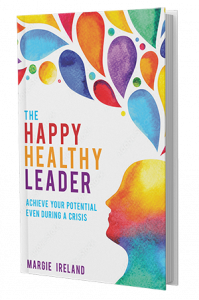
The leaders I work with often come to me exhausted, capable, and somewhere in between where they are and where they want to be. What they discover is that sustainable, happy, healthy leadership isn’t about doing more. It’s about leading with greater self-awareness and fewer habits that quietly drain them.
Margie Ireland brings a rare combination of expertise as an experienced leader, leadership researcher, and registered psychologist, giving her a unique ability to uncover hidden weaknesses in leaders and teams, the gaps that often go unnoticed yet significantly impact performance. Using evidence-based, practical strategies, Margie helps create happier, healthier, and higher-performing leadership teams equipped to navigate complexity with confidence.