The hidden psychosocial hazard: a self-assessment for CEOs and senior leaders
When someone delivers a difficult project, what do you acknowledge first? The quality of their decisions? The way they worked with others? Or the weekends they gave up to get it finished?
It is a small distinction, but one worth thinking about.
As a leader, you have targets to meet, customers to look after and people relying on you. Sometimes, asking for an extra effort feels unavoidable. But when that extra effort becomes the everyday expectation, it is time to look more closely.
In my original article, I explored how a workplace can unintentionally reward overwork, while making it difficult for people to admit they are struggling. This time, I want to bring that reflection closer to home.
What might your own leadership style or behaviour be encouraging?
First, what are we looking for?
Psychosocial hazards are aspects of work that can cause psychological harm. Safe Work Australia identifies examples including excessive job demands, poor support and unclear roles. Burnout can be an outcome of unmanaged workplace stress; the assessment needs to look at the conditions creating that stress.
The World Health Organization describes burnout through three dimensions: exhaustion, increased distance or cynicism towards work, and reduced professional effectiveness. These are reasons to seek support, not labels to apply to someone after a difficult week.
Take a few minutes to check your leadership habits
Think about the past four weeks. For each statement below, mark Rarely, Sometimes, Often, or Unsure, and write down one example.
This is a reflection exercise, not a validated diagnostic tool or a formal psychosocial risk assessment. There is no pass mark. The aim is to notice what deserves a conversation and a change.
- Do I make people feel they need to be available outside normal work hours?
Warning signs: I send evening requests without making the deadline clear. I notice who replies quickly. People check messages while on leave, even when cover has been arranged.
Ask yourself:
Have I explained what genuinely needs an after-hours response?
Would someone who switched off still have the same opportunities and my confidence?
Try this: Agree on response expectations with your team. Distinguish emergencies from work that can wait, and use scheduled sending where appropriate. - Do I add new priorities without deciding what can be paused or stopped?
Warning signs: I describe several tasks as urgent. New projects arrive, but existing deadlines stay unchanged. I leave my team to work out how everything will fit.
Ask yourself:
When I last added a priority, what did I agree could stop or move?
Have I checked capacity with the people doing the work, or assumed they will manage?
Try this: Before assigning the next task, decide together what will be deferred, reduced, reassigned or resourced differently. - Does the way I respond discourage people from raising concerns?
Warning signs: I immediately explain why a deadline cannot change. I compare someone’s workload with my own. I offer encouragement before listening to the problem.
Ask yourself:
What happened the last time someone told me an expectation was unrealistic?
Did my response make another honest conversation more likely?
Try this: Ask, “Which part of this workload is no longer manageable?” Listen before defending the plan, then agree on a practical adjustment. - Do people clearly understand what success looks like and what they are responsible for?
Warning signs: I change direction without explaining what has changed. Two senior leaders give conflicting instructions. People redo work because the expected outcome was unclear.
Ask yourself:
Could each person explain their most important priority and who makes the final decision?
Have I made responsibility clear without giving the authority needed to act?
Try this: Clarify the outcome, decision-maker, deadline and available support before work begins. When direction changes, explain what is no longer required. - Do I assume people are coping simply because they are delivering results?
Warning signs: I skip check-ins with dependable performers. I keep assigning difficult work to the same person. Our conversations cover delivery but never what it takes to deliver.
Ask yourself:
What do I know about the hours, compromises and support behind those results?
Am I giving my most capable people room to say they have reached capacity?
Try this: Ask, “What is taking more effort than it should, and what could I change to help?” Do not wait for performance to drop before having the conversation.
Look first at any “Often” answers. For each one, consider how frequently it happens, how long it has continued and who is affected. Safe Work Australia recommends considering the duration, frequency and severity of exposure when assessing job demands. Safe Work Australia
An “Unsure” answer is worth exploring too. Invite your team’s perspective through a conversation or an appropriately confidential feedback process. Your intentions and their experience may differ.
A “Rarely” answer does not establish that the workplace is safe.
This exercise covers only a few leadership habits.
So now what?
Choose one change you can make this week. Write it down, tell the people affected, and set a date to check whether it helped. Ask what changed in their actual workload, clarity or access to support.
Where concerns are ongoing or serious, involve your WHS team or a suitably qualified adviser in assessing and addressing the working conditions. Support anyone experiencing persistent distress to access a qualified health professional. A wellbeing workshop can support learning, but it cannot remove an unrealistic workload.
And include yourself in the conversation. Which expectations are you carrying that need to be discussed with your board, CEO or fellow executives?
You do not need a perfect answer to every question. You do need to be willing to hear the answer and act on it.
If this assessment has raised questions about how you or your leadership team are working, please get in touch. We can explore where coaching or a team workshop may help you take the next step towards healthier, sustainable performance.
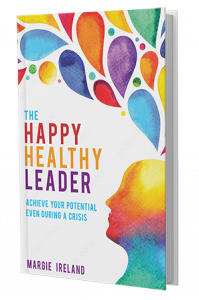
Margie Ireland is the author of The Happy Healthy Leader – how to achieve your potential even during a crisis. She is a registered Psychologist, Leadership Coach, and Workshop Facilitator. Margie is highly regarded for helping Leaders and their teams navigate stress and change with healthier coping strategies, leading to happier, healthier and high-performing teams.